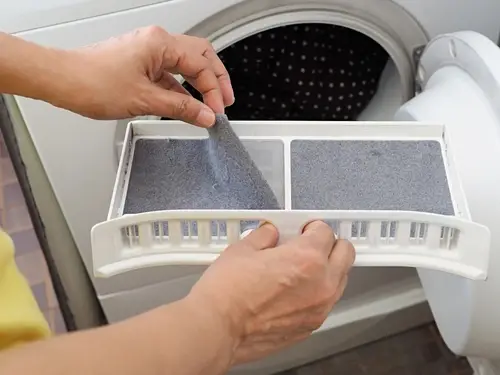
Mr. Appliance® explains how cleaning the dryer lint trap after every cycle contributes to safety, energy savings, and appliance longevity.
|
Keeping your dryer lint trap clean isn’t just a matter of efficiency—it’s a simple way to avoid a major fire risk while reducing unnecessary strain on your dryer, and helping your clothes dry faster. But the question remains: Do you really need to clean the dryer lint filter after every load?
In this updated guide, Mr. Appliance experts explain why cleaning your lint trap matters, how often you should do it, and the best way to keep your clothes dryer filter clean and functioning properly.
Article contents
- Why It’s Important to Clean Your Dryer Lint Trap
- How Often Should You Clean the Lint Filter?
- How to Clean A Dryer Lint Trap (Step-By-Step)
- How to Find Your Lint Trap
- When to Call a Professional
- FAQs About Cleaning a Dryer Lint Trap
Why It’s Important to Clean Your Dryer Lint Trap
Each time you dry a load of laundry, fibers are released into the air inside the drum. The lint screen traps most of these fibers before they reach the exhaust vent, creating a fuzzy coating. Failing to clean the screen allows lint to continue building up, blocking airflow and leading to several problems:
- Higher electric bills: A clogged lint filter forces your dryer to work harder and longer, consuming more energy.
- Shorter dryer lifespan: Constant strain on the motor and heating elements leads to more repairs and premature wear.
- Longer drying times: Proper airflow is key to efficient drying. If you find yourself needing extra cycles more often than not, a full dryer lint filter might be the cause.
- Increased fire risk: Lint is highly flammable. A buildup near the heating element or exhaust vent can ignite under high temperatures. Cleaning your dryer lint trap regularly is one of the easiest ways to prevent a dangerous house fire.
If these symptoms don’t match the issue you’re experiencing, contact Mr. Appliance for expert dryer troubleshooting.
How Often Should You Clean the Lint Filter?
The best practice is simple: Clean the lint filter between every load of laundry. To make it simple for you, most new dryers include a reminder light or alert to check the lint trap before starting a cycle.
Side note for you outdoors enthusiasts: If you like to camp, you can repurpose dryer lint as a fire starter! Store it in a small container and use it when lighting a campfire; it’s an easy way to keep waste out of landfills while spending less on camping gear.
Don’t ignore your dryer vents!
While cleaning the dryer lint trap is essential, it only removes about 25 percent of the total lint that travels throughout your home’s dryer vent system. Lint buildup within the ducts is invisible, but it creates an even greater strain on your machine and a more significant fire risk.
Mr. Appliance recommends having your dryer vent system professionally cleaned twice per year. Not doing so increases your home's fire risk. Learn more about dryer fire prevention in our video below.
How to Clean a Dryer Lint Trap (Step-by-Step)
Knowing how to clean a dryer lint trap correctly will help keep your dryer running smoothly while reducing the risk of clogs throughout the vent system.
Follow these steps for easy cleaning:
- Turn off your dryer. Always clean the lint trap before or after a drying cycle while the machine is cool.
- Remove the lint screen. Pull the screen from its slot or housing (usually near the door opening or on the top panel).
- Clean off the lint. Use your fingers or a soft brush to remove lint buildup from the surface. Discard the lint.
- Rinse if needed. If you notice residue from dryer sheets or fabric softeners, wash the screen with warm water and mild dish soap. (See below for more details on removing dryer sheet residue.)
- Vacuum the lint trap housing. Use a narrow vacuum attachment to clean inside the slot where the screen sits. This removes hidden debris that can block airflow.
- Replace the lint screen. Once it’s clean and dry, slide it back into position.
How to clean dryer sheet residue from a lint screen
Residue from dryer sheets and fabric softeners can coat your lint screen over time, reducing airflow and trapping moisture. Regularly washing your lint screen keeps it breathable, prevents overheating, and improves dryer performance.
To remove buildup:
- Soak the lint screen in warm, soapy water.
- Gently scrub both sides with a soft brush.
- Rinse thoroughly with clean water.
- Let it air dry completely before reinstalling.
For best results, clean the lint screen after every load and deep-clean it with soap and water once a month.
How to Find Your Lint Trap
Not every dryer places the lint screen in the same location. If you’re unsure where to look, start here:
- Just inside the door: Some dryers have a visible handle or channel-shaped lint screen inside the door opening.
- On the back wall: Look inside the drum at the rear wall for a small, slotted opening. You may need to pinch and pull the screen out to clean it.
- On the top panel: Many top-load models have a lint trap built into the top surface near the control panel.
If you still can’t locate your clothes dryer filter, check your owner’s manual for model-specific instructions.
When to Call a Professional
Cleaning your lint filter is a straightforward DIY task, but it’s only part of proper dryer maintenance. Even with regular upkeep, lint can accumulate in the exhaust vent and ductwork, which requires professional cleaning. The U.S. Fire Administration recommends scheduling regular professional vent cleaning to prevent clogs, overheating, and fire risk. If your dryer is taking longer than usual to dry clothes or you notice a burning smell, it’s time to call the experts.
Contact your local Mr. Appliance team to schedule professional dryer vent cleaning or maintenance. Our qualified service professionals will ensure your dryer runs safely and efficiently year-round. Request an appointment today!
This article is intended for general informational purposes only and may not be applicable to every situation. You are responsible for determining the proper course of action for your home and property. Mr. Appliance is not responsible for any damages that occur as a result of this blog content or your actions. For the most accurate guidance, contact the Mr. Appliance location nearest you for a comprehensive, on-site assessment.
FAQs About Cleaning a Dryer Lint Trap
Decades of experience, highly skilled service professionals, and a commitment to exceptional customer service have made Mr. Appliance a trusted leader in appliance maintenance and repairs. Our commitment to keeping your appliances up and running includes using our many years of experience and expertise to answer your questions. Here are answers to some of the most frequently asked questions about cleaning a dryer lint trap.