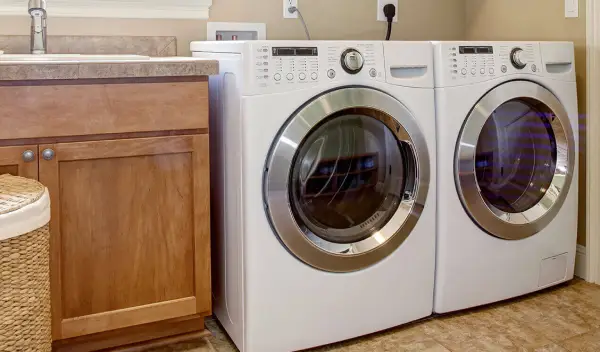
Mr. ApplianceⓇ explains the sources of washer and dryer noises and when to call an expert for laundry room repair.
|
If you hear what sounds like a construction site while washing or drying clothes, a laundry room repair may be in order. Some solutions are simple, such as the washer being off-balance. Other times, the issue is critical and may lead to appliance damage if not addressed promptly.
How do you tell the difference? In this guide, we’ll decode the sounds of your laundry room to help identify which fixes you can DIY and when it’s time to call in the professionals at Mr. Appliance.
Article contents
- What Washing Machine Sounds Mean
- What Dryer Sounds Mean
- Signs You Need Urgent Laundry Room Service
- The Verdict: Can I DIY Laundry Room Repairs?
- Mr. Appliance Provides Expert Laundry Room Service
- FAQs About DIY Laundry Room Repair
What Washing Machine Sounds Mean
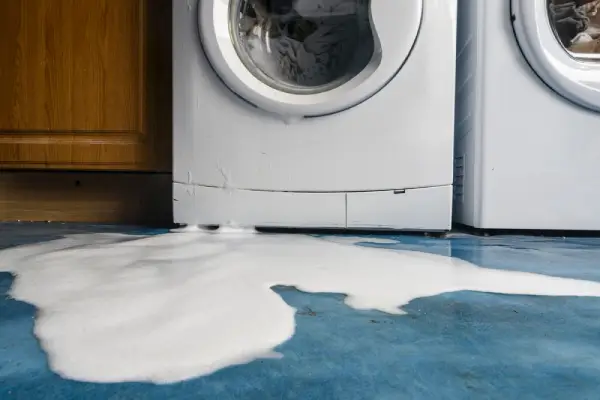
Washing machines are complex appliances that combine water, electricity, and high-speed rotation. Because of the force involved in the spin cycle, a minor issue can sound catastrophic. Similarly, serious problems may be disguised by common sounds.
Rhythmic thumping or banging
Rhythmic thumping is the most common laundry room noise. When washing heavy bedding, towels, or sneakers, the wet items often clump on one side of the drum, which creates an imbalance that causes the drum to bang against the cabinet.
DIY solution: The most likely cause is an unbalanced load or unlevel legs.
- Pause the cycle and redistribute the wet clothes evenly. If the machine is empty and still banging, check the leveling legs at the bottom of the unit.
- If the machine rocks when you push on it, adjust the feet until it sits flat on the floor.
When to call a pro: If the load is balanced and the machine is level but the banging persists (especially during the spin cycle), the problem may be worn suspension rods or shock absorbers. These components act like the shocks on your car; when they fail, the drum bounces uncontrollably. This requires disassembling the cabinet to replace the rods—a job best left to a washing machine repair professional.
High-pitched squeal or whine
Worn belts or tub bearings are the likely culprits, but pay attention to when you hear the squeal. Does it happen while filling, draining, or only while spinning? If you hear the whine during filling, the issue could be high water pressure or a dirty inlet valve screen.
DIY solution: If you hear the squeal when other water sources are active (such as the shower or after flushing a toilet), high water pressure may be the cause. On your pressure regulator valve (located where the main water line enters your home), turn the adjustment screw a quarter counter-clockwise to reduce the pressure.
When to call a pro: In older top-loaders, a squeal often indicates a worn drive belt slipping on the pulley. In modern front-loaders, a loud roaring or whining noise that gets louder as the spin speed increases is the hallmark of failed tub bearings.
Bearing failure is serious. It usually means the water seal has leaked, allowing water to rust the bearings. If ignored, this can destroy the wash tub and the spider arm mechanism. This is a complex repair that requires professional qualifications.
Metal-on-metal grinding
Did you lose a coin or a screw in the wash? Something is probably stuck in the pump. If not, a grinding noise may indicate a failing transmission.
DIY solution: Check your washer’s drain trap (usually located behind a small door on the front of front-loaders). You might find the debris rattling around in there.
When to call a pro: If the trap is clear and the grinding sound persists, stop the machine immediately. Multiple problems could be causing the noise, all of which require professional attention.
- Transmission/agitator: In top-loaders, a grinding noise during agitation often means the transmission gears are stripped.
- Pump: If the noise happens when water is leaving the machine, a foreign object may have bypassed the filter and is now grinding against the impeller blades of the drain pump. Continuing to run the machine can burn out the pump motor.
What Dryer Sounds Mean
Dryers are generally simpler than washers, but they pose a higher safety risk due to heat and lint accumulation. Unusual noises in a dryer are often precursors to friction and excess heat, which typically require professional dryer repair.
Heavy thumping
A thumping dryer may be caused by balled-up laundry or flat spots on rollers.
DIY solution: Check the drum for a wad of clothes, tightly wound sheets and towels, or sneakers. In these cases, thumping is normal; however, we recommend a dryer rack to protect your drum.
When to call a pro: If the dryer is thumping but there is no clump of clothes, the issue is likely the drum support rollers. The drum spins on wheels; over time, the rubber on these wheels can wear out or develop flat spots. A thumping dryer can also indicate a worn drum support belt that has frayed and is slapping the cabinet as it rotates. Both of these issues require a professional.
Piercing squeaks or chirps
A variety of issues can cause a squeaking dryer, but these noises typically indicate that the idler pulley or drum glides are drying out and rubbing.
DIY solution: Most homeowners will be unable to address squeaking and chirping noises from the dryer.
When to call a pro: A rhythmic squeak is the classic sign of a failing idler pulley, the spring-loaded wheel that keeps tension on the dryer belt. If the pulley seizes, the belt will slide over it, creating friction heat that can smell like burning rubber and, eventually, snap the belt.
Another possibility is worn drum glides. These are plastic or nylon strips that the front of the drum rides on. When they wear down, the result is plastic-on-plastic or metal-on-metal friction—and friction is noisy!
These internal issues will need to be addressed by a qualified dryer repair professional.
Low hum (but no spinning)
A dryer that hums but doesn’t spin probably has a seized motor or broken belt.
DIY solution: If you press start and hear a hum but the drum doesn't move, open the door. Can you spin the drum easily by hand?
- If the drum spins too freely (with zero resistance), the belt is likely broken.
- If the drum is stiff or stuck, the motor or drum bearing may have seized.
When to call a pro: In either case, the dryer cannot function. A humming motor that isn't spinning is drawing electricity and heating up, but not doing work. This is a fire hazard. Turn the unit off and schedule service for gas or electric dryer repair.
Signs You Need Urgent Laundry Room Service
While some squeaks are just nuisances, other sounds indicate an immediate hazard. If you hear any of the following, turn off the power to the appliance and schedule laundry room service immediately.
- Loud crackling or zapping: Suggests an electrical short or arcing wire, creating a fire risk.
- Scraping + burning smell: If it sounds like metal is being scraped and you smell hot metal or burning rubber, friction is creating dangerous heat levels.
- Violent banging: If the washer is shaking so hard it is moving across the room (“walking”), it can rip the water hoses out of the wall, causing water damage.
The Verdict: Can I DIY Laundry Room Repairs?
We love a good DIY spirit. Checking the filter for coins, leveling the legs of your washer, and cleaning your dryer lint trap are excellent ways to maintain your home.
However, modern appliances are tightly engineered. Accessing belts, motors, and transmissions requires removing the cabinet panels. This exposes you to high-voltage electricity (capacitors can hold a charge even when machines are unplugged), sharp metal edges, and even gas lines.
Use this chart to quickly assess whether the issue may have a DIY resolution or if your best option is contacting an appliance repair professional.
Laundry room service noises and repair options
| Appliance | Sound | DIY troubleshooting | Repairs that need a pro |
| Washer | Rhythmic thumping | Balance the load. | Worn suspension rods |
| High-pitched squealing | Reduce home water pressure. | Worn drive belts, failed tub bearings, or another problem | |
| Metal-on-metal grinding | Check the drain trap for coins or other debris. | A stripped transmission or a foreign object in the drain pump | |
| Dryer | Rhythmic thumping | Check for balled-up sheets in the load or sneakers. | Drum support rollers or belts may be worn. |
| High-pitched squealing | The issue is likely internal and has no DIY solution. | A failing idler pulley or worn drum glides. Other squeaks may be even more complex. | |
| Humming (non-spinning) | Spin the drum. Does it spin freely or resist spinning? | A seized motor or broken belt can draw electricity and create a fire hazard. |
If the noise isn't caused by a stray zipper or an unbalanced load, a mechanical part may be reaching the end of its life. For internal washer or dryer troubleshooting, call a laundry room repair professional.
Contact Mr. Appliance for Expert Laundry Room Service

If your laundry room is making unusual or disruptive noises and DIY efforts haven’t helped, trust the experts to restore peace and quiet. Mr. Appliance service professionals can quickly diagnose the source of the sound, provide upfront pricing, and provide a lasting solution designed to extend the life of your washer or dryer. Our services are backed by the Neighborly Done Right Promise® to ensure your satisfaction.
Ready to silence the noise? Request an appointment with your local Mr. Appliance team today!
This article is intended for general informational purposes only and may not be applicable to every situation. You are responsible for determining the proper course of action for your home and property. Mr. Appliance is not responsible for any damages that occur as a result of this blog content or your actions. For the most accurate guidance, contact the Mr. Appliance location nearest you for a comprehensive, on-site assessment.
FAQs About DIY Laundry Room Noises
Decades of experience, highly skilled service professionals, and a commitment to exceptional customer service have made Mr. Appliance a trusted leader in appliance maintenance and repairs. Our commitment to keeping your appliances up and running includes using our many years of experience and expertise to answer your questions. Here are answers to some of the most frequently asked questions about laundry room sounds.