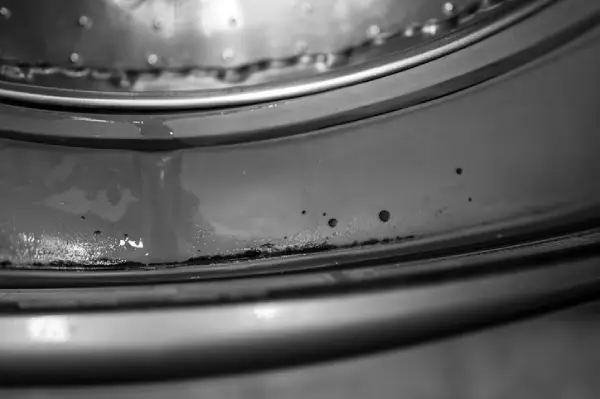
Mr. Appliance® explains how to clean mold from a front-load washer to maintain freshness and efficiency.
|
If your front-load washer has visible grime around the door seal or your laundry smells musty after washing, the problem might be mold.
Front-load washer mold can be cleaned using a variety of methods, including bleach, mildew remover, vinegar, or baking soda. However, the best method is prevention, which means allowing your washer to dry out completely between washes and sanitizing it regularly.
In this article, we’ll cover how to remove washer mold, prevent its return, and maintain fresher, cleaner laundry.
Article contents
- Tools for Cleaning a Front-Load Washer
- 1. Clean the Gasket
- 2. Clean the Dispensers
- 3. Clean the Washer Door
- 4. Run a Sanitize Cycle
- How To Prevent Mold in a Washing Machine
- When to Call a Professional
- FAQs About Cleaning a Front-Load Washer Mold
Tools for Cleaning a Front-Load Washer
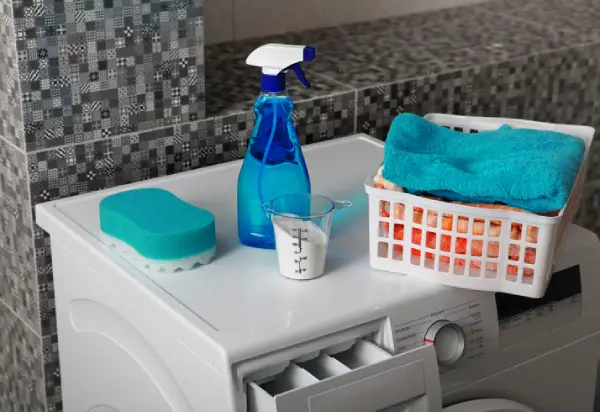
Before tackling front-load washer mold, you’ll need to round up some cleaning tools and materials. Most are items you may already have on hand:
- Cleaning rag or microfiber cloth
- Mildew cleaner or all-purpose cleaner
- Dish soap
- Bristled cleaning brush
- Vinegar
- Baking soda
- Bleach
- Gloves
- Paper towels
- Toothbrush
Always wear gloves when using bleach or mildew cleaner, and ensure good ventilation during cleaning.
1. Clean the Gasket
The gasket—the rubber ring inside the washer door—is where most mold develops. With use, the tight seal traps detergent residue and moisture, creating an ideal environment for mold growth.
To clean it, start by putting on gloves and trying one of these methods:
- Spray a rag with mildew cleaner or bleach solution and wipe the gasket thoroughly, including behind the rubber folds.
- Use a bristled brush with vinegar, baking soda paste, or mild dish soap to scrub the gasket and surrounding areas.
- For heavy buildup, line the gasket with paper towels sprayed with bleach. Let them sit for about 10 minutes, then remove and run an empty rinse cycle.
Be sure to clean underneath the gasket seal, too. Mold and residue are often found in this hidden area.
2. Clean the Dispensers
Detergent and fabric softener dispensers often develop sticky buildup that encourages mold growth. Your first clue may be a smelly washing machine or musty-smelling laundry.
Remove the dispensers and wash them with warm, soapy water. Use a toothbrush to reach into tight areas. If your dispensers can’t be removed, wipe them out as thoroughly as possible with a rag dipped in vinegar or mildew cleaner. Regular cleaning every month or two will prevent residue and odors from forming.
3. Clean the Washer Door
Mold can accumulate around the edges of the washer door and along the rubber seal. Spray the door and its edges with vinegar, bleach solution, or mildew cleaner. Wipe the gunk off with a rag or paper towel, and use a toothbrush to scrub the grooves and corners. Rinse the door with water and leave it open to air dry.
4. Run a Sanitize Cycle
If your front-loading washing machine has a sanitize cycle, use it to remove any remaining mold and bacteria. Run the cycle empty and add one of the following:
- One cup of bleach
- One cup of baking soda
- One cup of vinegar
- One washer-cleaning tablet
(Note: Add only ONE of the above…You never want to combine bleach, vinegar, and baking soda!)
This step will disinfect the drum and hoses. Repeat monthly for ongoing maintenance and prevention.
How To Prevent Mold in a Washing Machine
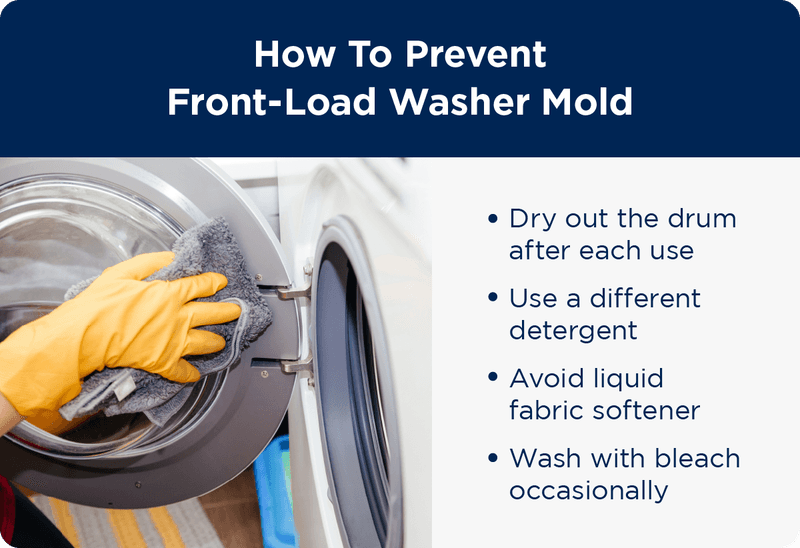
Front-load washers are more prone to mold than top-load machines, so prevention is key. A few simple habits can make all the difference:
- Leave the door slightly open after each cycle to help the drum dry out.
- Wipe down the gasket after each use to remove trapped moisture.
- Use HE detergent designed for high-efficiency washers to reduce suds and residue.
- Skip liquid fabric softeners and switch to dryer sheets or wool dryer balls instead.
- Run a hot bleach cycle once a month to keep the drum clean and odor-free.
When to Call a Professional
If your front-loading washing machine is giving you issues you can’t resolve, call a professional. Complex problems require specialized tools and safe handling. Mr. Appliance service professionals can identify the cause and provide efficient, effective solutions.
Our experts provide transparent pricing, quality parts, and reliable repairs backed by the Neighborly Done Right Promise®—so your laundry day runs smoothly again.
This article is intended for general informational purposes only and may not be applicable to every situation. You are responsible for determining the proper course of action for your home and property. Mr. Appliance is not responsible for any damages that occur as a result of this blog content or your actions. For the most accurate guidance, contact the Mr. Appliance location nearest you for a comprehensive, on-site assessment.
FAQs About Cleaning a Front-Load Washer Mold
Integrity, dependability, and exceptional customer service are the qualities that make Mr. Appliance the go-to resource for appliance maintenance and repairs. All independently owned and operated Mr. Appliance locations are committed to providing the top-notch service you expect from an industry leader, including using our expertise and years of experience to answer your questions. Here are answers to some of the most frequently asked questions about front-load washer mold.